
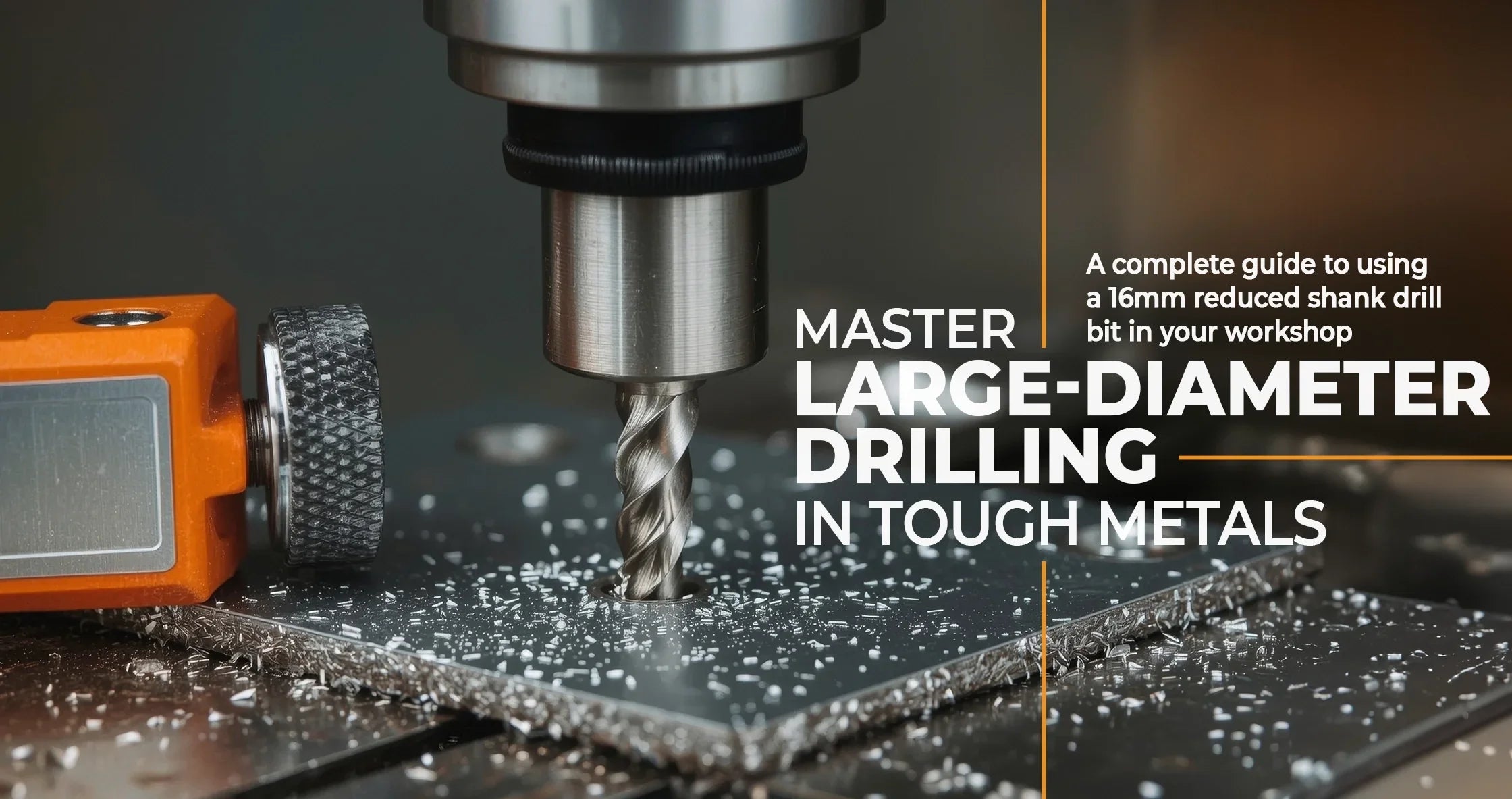
If you regularly drill through steel, alloy, or other tough materials, a 16mm reduced shank drill bit quickly becomes one of your most valuable tools. The Alpha Tools 9LM160RB sits in this category: a heavy‑duty, professional‑grade bit that combines smart geometry, premium materials, and a user‑friendly shank design that fits into a standard 13mm (½") chuck.
In this in‑depth guide, we’ll unpack what makes this particular 16mm reduced shank drill bit stand out. We’ll look at its dimensions, materials, coatings, drilling performance, ideal applications, and practical tips that help you get clean, accurate holes while extending tool life. Whether you’re a fabricator, maintenance technician, installer, or serious DIYer, understanding how this bit works will help you get the most from every cut.
What Is a 16mm Reduced Shank Drill Bit?
At its simplest, a 16mm reduced shank drill bit is a drill bit that cuts a 16mm diameter hole but has a shank (the part held by the chuck) turned down to a smaller size—typically 12.7mm (½"). The Alpha 9LM160RB follows this pattern with a 16.00mm cutting diameter and a ½" shank featuring three flats.
This design solves a common problem. Many portable drills and drill presses are limited to 13mm or ½" chuck capacity. A solid 16mm shank would never fit those machines, but a 16mm reduced shank drill bit lets you drill large‑diameter holes using standard equipment. Instead of buying a dedicated magnetic drill or industrial spindle just to handle larger bits, you can rely on a reduced shank design and the tools you already own.
Reduced shank bits also tend to be more versatile in a mixed workshop. You can keep one 16mm reduced shank drill bit on hand and use it across several machines: a handheld cordless drill in the field, a corded drill in the shed, or a bench‑mounted drill press in the shop.
Inside the Design of the 16mm Reduced Shank Drill Bit Alpha 9LM160RB
Once you look closer at the Alpha 9LM160RB 16mm reduced shank drill bit, you start to see how many small engineering decisions sit behind what seems like a simple tool. The bit is part of Alpha’s Black Series and is ground from a single piece of premium M2 high‑speed steel. It has a 16.00mm diameter, an 86mm flute length, and an overall length of 152mm, making it compact enough for portable use yet long enough for general fabrication work.
Two full‑length helical flutes evacuate chips efficiently, while the cutting end is shaped with a 118° split‑point tip. That split‑point geometry is a key feature of this 16mm reduced shank drill bit. Instead of a blunt chisel edge that tends to skate on metal surfaces, the split point self‑centres as soon as it touches the work. This reduces “walking,” helps you hit your mark more easily, and often removes the need for a smaller pilot hole in mild or medium‑carbon steels.
On the opposite end, the shank is machined down to 12.7mm and finished with three flats. These flats give your chuck jaws or set‑screw a firm, non‑slip surface. Under high torque, a smooth round shank can spin inside the chuck and damage both the bit and the tool. With this 16mm reduced shank drill bit, the flats lock into the chuck’s grip and transfer torque much more reliably.
Material Science Behind This 16mm Reduced Shank Drill Bit (M2 HSS)
The performance of a 16mm reduced shank drill bit depends heavily on what it’s made from. The Alpha 9LM160RB uses AISI M2 high‑speed steel, a tungsten–molybdenum alloy that has become a global standard for cutting tools. M2 typically contains around 0.8–1.0% carbon, 4.5–5.5% molybdenum, 5.5–6.75% tungsten and carefully controlled amounts of chromium and vanadium.
During heat treatment, the bit is austenitised at very high temperature, then quenched and tempered to reach around 62–65 HRC on the Rockwell scale. That hardness gives the cutting edges of a 16mm reduced shank drill bit outstanding abrasion resistance, so they stay sharp through multiple holes in abrasive materials like steel and cast iron. At the same time, M2 maintains good toughness, which helps the bit resist chipping or catastrophic fracture when it encounters intermittent cuts or minor misalignment.
One of the standout strengths of M2 is its red‑hardness—its ability to stay hard even at elevated temperatures. When drilling metal, heat builds fast at the cutting edge. If the steel softens, the edge rounds off and the bit dulls quickly. A high‑quality 16mm reduced shank drill bit in M2 HSS can retain useful hardness up to around 550–600 °C, allowing it to keep cutting even when conditions are hot, provided you use proper speed, feed, and lubrication.
Why the Black Oxide 16mm Reduced Shank Drill Bit Runs Cooler and Smoother
Beyond the core steel, the Alpha Black Series 16mm reduced shank drill bit also benefits from a carefully chosen surface finish. The cutting flutes are treated with a black oxide coating. This ultra‑thin layer, chemically bonded to the surface, doesn’t change the bit’s dimensions but significantly improves performance.
Black oxide enhances corrosion resistance and, more importantly for drilling, improves the way cutting fluid and oil wet the surface. When you feed lubricant into the cut, the coating on a 16mm reduced shank drill bit helps hold onto that oil film so it doesn’t instantly run off. That film reduces friction between the chip, the flute, and the workpiece, which means lower cutting temperatures and smoother chip evacuation.
A cooler running bit typically lasts longer, stays sharper, and delivers more consistent hole quality. In heavy‑duty steel drilling, even small reductions in friction can translate to noticeable increases in tool life. Compared with an uncoated bright‑finish bit, a black‑oxide 16mm reduced shank drill bit tends to resist chip welding and galling, especially in sticky materials like mild steel and some stainless alloys.
Key Dimensions of the 16mm Reduced Shank Drill Bit and Why They Matter
The measurements of a 16mm reduced shank drill bit might look like dry numbers, but each one affects how the bit behaves in real‑world use. The Alpha 9LM160RB has a 16.00mm cutting diameter, giving you a precise metric‑sized hole suitable for bolts, bushings, and hardware that require close fit. The flute length of 86mm allows you to drill through plate, channel, and hollow‑section material without running out of flute real estate.
Overall length is 152mm, which provides reach for common fabrication tasks without making the 16mm reduced shank drill bit overly flexible or prone to chatter. A very long bit may deflect under load, leading to oversize or out‑of‑round holes. By keeping the length practical, Alpha balances reach and rigidity so you get more accurate holes.
Finally, the 12.7mm shank diameter with three flats is central to the whole reduced‑shank concept. It gives you the cutting capacity of a large‑diameter 16mm reduced shank drill bit while still fitting into standard equipment. The flats drastically reduce the risk of slippage, which is especially important when drilling larger holes that demand high torque from your drill motor.
Where a 16mm Reduced Shank Drill Bit Fits in Everyday Work
So where does a 16mm reduced shank drill bit like the Alpha 9LM160RB earn its keep? In many workshops, this size is a go‑to for structural steel fabrication, general engineering, maintenance, and production work. You might use it for drilling clearance holes for M14 or M16 bolts, preparing plate for welding, opening up existing holes, or cutting through channel, angle, and box‑section steel.
Because M2 HSS is highly versatile, this 16mm reduced shank drill bit also handles non‑ferrous materials such as aluminium and brass, as well as wood and certain plastics, provided you adjust speed and feed. For example, in aluminium you can run at higher RPM than in steel, but you still benefit from the reduced shank because your machine’s chuck capacity doesn’t change.
In maintenance and repair scenarios, having a single 16mm reduced shank drill bit on hand can save time when modifying machinery, fabricating brackets, fitting handrails, or installing heavy‑duty anchors. You don’t need a specialty machine to get a large hole—just a stout drill, proper clamping, and good technique.
How to Use a 16mm Reduced Shank Drill Bit for Clean, Accurate Holes
Even the best 16mm reduced shank drill bit can underperform if it’s run incorrectly. To get clean, accurate holes and long tool life, it’s important to respect basic drilling practice. Start by clamping your workpiece securely so it can’t spin or vibrate. Large‑diameter drilling generates significant torque; a loose plate can become dangerous in an instant.
Next, choose an appropriate speed. Charts from Alpha and other manufacturers recommend relatively slow spindle speeds for a 16mm reduced shank drill bit in steel—typically in the low hundreds of RPM. Slower speeds help control heat build‑up and protect the cutting edges. On a handheld drill, that often means using the low‑speed (high‑torque) setting.
Apply a steady, moderate feed pressure. Too light, and the bit merely rubs and overheats; too heavy, and you risk overloading the point and chipping the cutting edges. A 16mm reduced shank drill bit usually performs best when you can feel it continually producing a firm, continuous chip. Use plenty of cutting fluid, especially on medium‑carbon steel, alloy steel, and stainless. Periodically withdraw the bit to clear chips if you are drilling deeper holes; packed chips can cause jamming and overheating.
Material Suitability of a 16mm Reduced Shank Drill Bit
The Alpha 9LM160RB 16mm reduced shank drill bit is primarily designed for ferrous metals. It excels in mild steel, carbon steel, alloy steel, cast iron, and similar materials. Thanks to its M2 HSS body and black‑oxide flutes, it stands up well to abrasive conditions while still keeping a sharp cutting edge through extended runs.
With the correct speeds and lubricants, this 16mm reduced shank drill bit is equally useful in non‑ferrous metals. Aluminium, brass, and bronze can all be drilled cleanly as long as you keep chips moving and avoid excessive heat build‑up. The split‑point geometry helps prevent the bit from skating, even on smoother surfaces.
Because the cutting edge is made of steel rather than carbide, this 16mm reduced shank drill bit is not the right choice for masonry or hardened steels. For concrete, stone, or heavily hardened components, you will want a specialised masonry bit or carbide‑tipped solution. Staying within appropriate materials not only improves your results but also protects the bit from premature wear or breakage.
Comparing Alpha’s 16mm Reduced Shank Drill Bit with Similar Options
In the market, the Alpha Black Series 9LM160RB 16mm reduced shank drill bit competes with similar M2 HSS reduced shank bits from other professional brands. For example, some competitor models match the same 16.00mm diameter, 86mm flute length, and 152mm overall length. They may use a blue‑oxide finish instead of black, or have a plain round shank instead of the three‑flat design used by Alpha.
From a performance standpoint, high‑quality M2 HSS bits in this category tend to be closely matched in hardness, toughness, and hot‑hardness. However, details like shank design and surface finish still make a difference. A 16mm reduced shank drill bit with three flats will usually resist spinning in the chuck better than a smooth shank, particularly when you’re pushing hard through steel.
Similarly, a black‑oxide 16mm reduced shank drill bit is tuned specifically for improved lubricant retention and chip flow. While competitor finishes like blue oxide aim for comparable benefits, the exact surface treatment and how it’s applied can slightly alter performance in real‑world drilling. In practice, many users choose the Alpha option because it pairs professional‑grade specs with a robust reduced‑shank design that feels secure in everyday drills.
Practical Tips to Extend the Life of Your 16mm Reduced Shank Drill Bit
Getting the most from a 16mm reduced shank drill bit is partly about technique and partly about day‑to‑day care. First, avoid running the bit at excessively high speed, especially in steel. Heat is the enemy of cutting edges. Using the lower speed range on your drill keeps temperatures under control so the M2 HSS can maintain its hardness.
Second, always use cutting fluid when drilling metal. A light, steady stream of lubricant directed at the cutting zone helps a 16mm reduced shank drill bit evacuate chips and reduces friction. For stainless steels or tougher alloys, a sulphurised cutting oil or specialised tapping fluid can significantly boost tool life.
Third, pay attention to chip evacuation. In deeper holes, occasionally retract the 16mm reduced shank drill bit while the spindle is still turning slowly, allowing chips to clear from the flutes. Packed chips can cause binding, surface scoring, and overheating. Finally, store the bit properly in its original packaging or a dedicated drill index so the cutting edges don’t knock against other tools and dull prematurely.
Safety Considerations When Using a 16mm Reduced Shank Drill Bit
Because a 16mm reduced shank drill bit removes a substantial amount of material, it demands respect from a safety perspective. Always wear appropriate eye protection to shield against hot chips, and consider gloves that offer cut resistance while still allowing good control. Secure loose clothing, tie back long hair, and remove jewellery that could catch.
Clamp the workpiece firmly to prevent it from spinning if the 16mm reduced shank drill bit grabs. On a bench drill, use a vice bolted to the table; in the field, use C‑clamps or similar fixtures. Never try to hold heavier workpieces by hand while drilling at this size. Also be aware of torque reaction in handheld drills: if the bit binds suddenly, the drill body may twist violently, so use supportive stances and, where possible, auxiliary handles.
When drilling stacked plates or hollow sections, consider what’s beneath the surface. A 16mm reduced shank drill bit breaking through can create a sudden drop in resistance, pulling the drill forward. A sacrificial backing board or block helps control breakthrough and reduces burrs on the exit side of the hole.
Quality and Standards Behind the 16mm Reduced Shank Drill Bit
Behind the scenes, the Alpha 9LM160RB 16mm reduced shank drill bit is produced under a strict quality management system. The manufacturer’s quality policy emphasises consistent performance, dimensional accuracy, and adherence to established twist‑drill standards. Although every brand expresses this slightly differently, the goal is the same: repeatable results from bit to bit.
In practical terms, that means your 16mm reduced shank drill bit is ground to tight tolerances so the flutes are aligned, the cutting lips are balanced, and the shank runs true. Good alignment minimises vibration, which not only gives cleaner holes but also protects your drill’s bearings and your hands from fatigue.
For professional users, this level of quality assurance gives confidence that each 16mm reduced shank drill bit behaves predictably across different jobs and materials. When you reach for a new bit from the same series, you can expect it to match the feel and performance of the last one, which is crucial in production and fabrication environments.
Related Product Collections
If this 16mm reduced shank drill bit fits the way you work, you might also want to explore related product collections that help you build a more capable drilling and workshop setup.
-
Drill Bit Collection ➜
Browse a wide range of drilling solutions, from jobber and masonry bits to other reduced shank sizes, so you can match the right drill bit to every material and hole size in your projects. -
Alpha Brand Collection ➜
Stick with the same trusted brand as your 16mm reduced shank drill bit and explore more Alpha cutting tools, including additional reduced shank sizes and jobber drills for everyday metalworking and fabrication. -
Tools & Measurement Equipment Collection ➜
Complete your setup with test instruments, precision tools, and complementary workshop gear that help you measure, align, and verify your work around every drilled hole.
Is a 16mm Reduced Shank Drill Bit Right for Your Tool Kit?
By now, it should be clear that a 16mm reduced shank drill bit is more than just a larger‑than‑average drill. The Alpha 9LM160RB combines a self‑centering 118° split point, precision‑ground flutes, a durable black‑oxide finish, and a secure three‑flat reduced shank made from premium M2 high‑speed steel. All of these details add up to predictable, professional performance in a wide range of metals.
If you often find yourself drilling larger holes in steel or other tough materials, adding a high‑quality 16mm reduced shank drill bit to your kit can expand what you’re able to do with the machines you already own. Instead of hunting for specialised equipment, you can rely on a single bit that fits standard chucks yet still delivers heavy‑duty cutting capacity.
When you’re ready to upgrade your workshop or replace a worn‑out large‑diameter bit, take a closer look at this style of 16mm reduced shank drill bit—especially the Alpha Tools 9LM160RB. Exploring the product page will give you current stock information, compatible accessories, and real‑world pricing so you can decide how it fits into your next project or purchase plan.
